Phase 1 interim report: Understanding release decision-making and release readiness in Iowa corrections

Abstract
This Phase 1 report examines how Iowa Department of Corrections staff and Iowa Board of Parole members assess release readiness and make release recommendations and decisions. Drawing on interviews and focus groups with 27 practitioners, the study finds that release decision-making is best understood as a process of “informed release” rather than a single assessment or checklist. Practitioners evaluate patterns of behavioral change over time—including institutional behavior, treatment engagement, accountability, and release planning—while also weighing information that may be incomplete, inconsistent, or unreliable. The findings also highlight differences in how IDOC and IBOP evaluate readiness, reflecting their distinct roles and access to information, as well as broader constraints such as prison overcrowding, limited housing and treatment resources, and public scrutiny. Existing risk assessments were viewed as useful but limited sources of information, particularly in their ability to capture behavioral change and current circumstances. The findings will inform the next phase of the project: developing and evaluating a parole decision-making tool tailored to Iowa that incorporates both static and dynamic information and supports more consistent, evidence-informed release decisions while maintaining public safety.

Zachary Hamilton
Professor
My research centers on innovation in risk and needs assessment development.

Jennifer Tostlebe
Assistant Professor
My research focuses on criminological theory and empirical tests of it within institutional corrections and prisoner reentry, system responses to incarcerated and previously incarcerated individuals, and the intersection between individual differences and social influences.

Caitlyn Jordon
Ph.D. Student
My research interests focus on a mixed-methods criminological approach to corrections and rehabilitation relating to prison reentry, resources available for previously incarcerated individuals upon reentry, and the examination of community-based preventative factors both on an individual and institutional level.
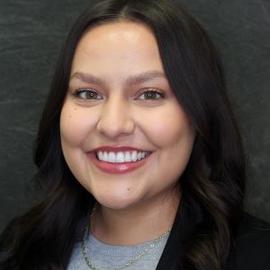
Taylor Gonzales
Ph.D. Candidate
My research centers around corrections, recidivism, and program evaluations.